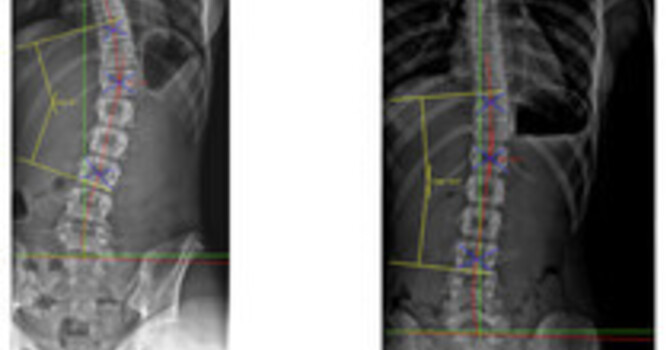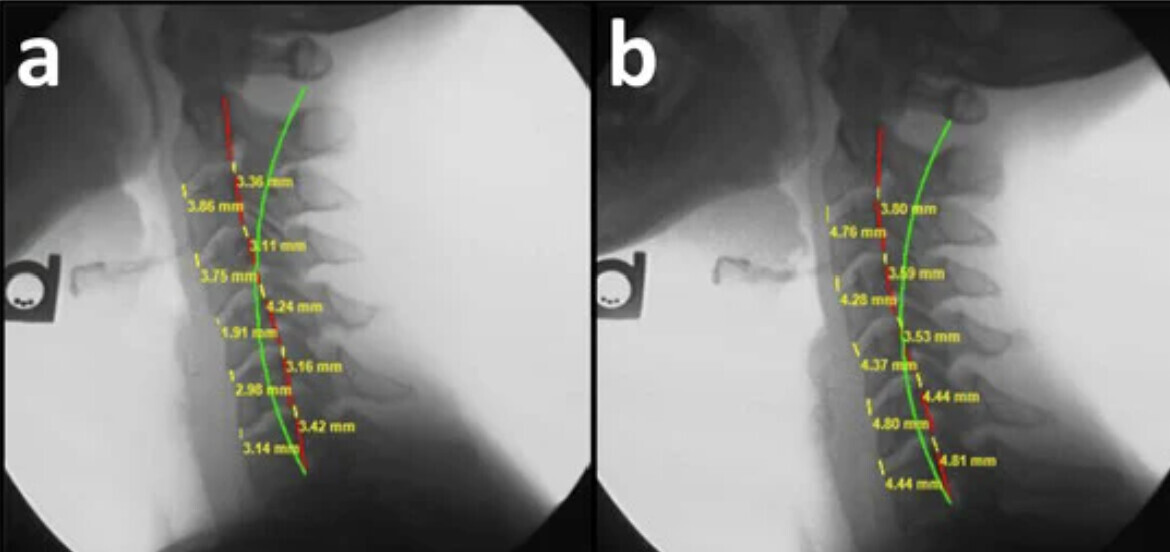
Most people think back or neck pain is just about sore muscles. However, this article explains that spinal structure — meaning alignment and curvature — may be a more important factor than we often realize.
The human spine has natural curves in the neck and lower back. These curves help distribute body weight efficiently, reduce mechanical stress, and protect the nervous system. When these curves are reduced, exaggerated, or shifted forward, the body must compensate to stay upright.
For example, forward head posture increases the mechanical load on the cervical spine. Even small changes in alignment can significantly increase stress on joints, discs, and surrounding tissues. Over time, this can contribute to chronic pain and decreased physical function.
The key idea presented in the article is that symptoms often reflect an underlying structural imbalance. While pain relief strategies — such as medication, stretching, or massage — may reduce discomfort temporarily, they do not correct structural misalignment.
Radiographic measurements allow clinicians to objectively evaluate spinal alignment. Research discussed in the article shows that certain deviations in sagittal alignment correlate with increased pain levels and reduced functional outcomes.
This suggests that structure may play a primary role in long-term musculoskeletal health. If structural alignment is not addressed, symptom-focused care may only provide short-term relief.
A useful analogy is a building with a shifted foundation. Cosmetic repairs may improve appearance, but without correcting the foundation, the structural problem remains.
In summary, the article emphasizes that spinal structure influences biomechanics, load distribution, and neurological function. Addressing structural alignment may therefore be more important than simply managing pain symptoms.
Katz, E.A.; Katz, S.B.; Katz, S.F.; Fedorchuk, C.A.; Fedorchuk, C.G.; Lightstone, D.F. Increased Cervical Disc Height and Decreased Neck Pain and Disability Following Improvement in Cervical Lordosis and Posture Using Chiropractic BioPhysics. Bioengineering 2026, 13, 229. https://doi.org/10.3390/bioengineering13020229
Clear Life Scoliosis and Chiropractic Center focus in finding and fixing the real cause of your discomfort. From advanced scoliosis treatment to personal injury recovery and preventive wellness care, we help Charlotte area residents reclaim their active lives. Call today and start your path to better movement, comfort, and control. Research
Justin Dick
Contact Me