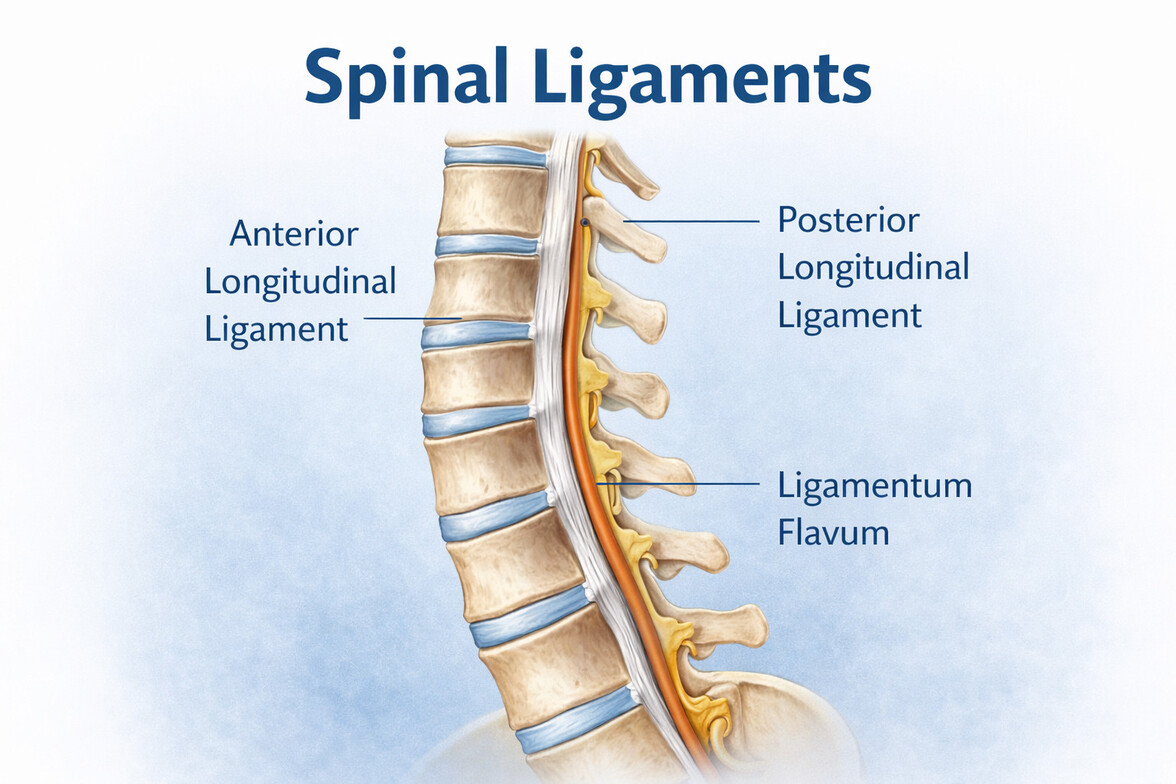
How Chiropractic Care Can Support Ligament Healing and Repair
Ligament injuries are a common cause of persistent joint pain, instability, and limited mobility. Ligaments are dense connective tissues that connect bone to bone, providing stability and guiding normal joint motion. When ligaments are damaged—through sports injuries, repetitive strain, falls, or motor vehicle accidents—the healing process can be slow and incomplete without proper biomechanical support. Many patients ask whether ligaments can truly heal and what role chiropractic care may play in recovery.
Why Ligament Healing Is Slow
Ligaments heal differently than muscles due to their limited blood supply. Reduced circulation means fewer nutrients and slower tissue repair. Healing generally occurs in three overlapping phases: an inflammatory phase marked by swelling and pain, a proliferative phase where new collagen is produced, and a remodeling phase in which collagen fibers gradually realign to restore strength. Without proper joint mechanics during these phases, ligaments may heal in a lengthened, weakened, or scarred state—contributing to chronic instability or recurrent injury.
The Role of Chiropractic Care in Ligament Repair
Chiropractic care does not force ligaments to heal, but it plays a critical role in optimizing the mechanical environment required for proper repair. When joints move abnormally or are misaligned, ligaments are exposed to excessive or uneven strain. Gentle, specific chiropractic adjustments aim to restore normal joint motion, reduce abnormal loading, and improve neuromuscular coordination, which can decrease stress on healing ligaments.
Chiropractors may also incorporate soft-tissue therapies to improve circulation, reduce excessive scar tissue formation, and address muscle guarding that often develops around injured joints. As healing progresses, structured rehabilitation exercises help strengthen surrounding muscles, improve proprioception, and restore functional stability—key factors in preventing re-injury.
Nutrition and Supplements for Ligament Healing
Ligament repair is metabolically demanding and requires adequate nutritional support. Protein intake is essential for collagen synthesis, while nutrients such as vitamin C, zinc, and manganese play important roles in connective tissue formation and repair. Anti-inflammatory dietary strategies, including omega-3 fatty acids and plant-based antioxidants, may help regulate inflammation and support tissue recovery when used appropriately.
Individualized Care for Different Ligament Injuries
Not all ligament injuries are the same. Ankle sprains, elbow instability, thumb ligament injuries, and spinal ligament trauma each involve unique biomechanical demands. Some injuries may require temporary immobilization or orthopedic co-management, followed by progressive rehabilitation. Chiropractic care is often integrated during recovery to help restore joint mechanics, minimize compensatory movement patterns, and support long-term joint health.
Rehabilitation, Prevention, and Long-Term Stability
Successful ligament healing requires patience, progressive loading, and consistent follow-up. Early protection is essential, followed by gradual reintroduction of movement and strengthening. Once a ligament has been injured, targeted strength training, flexibility work, proper movement mechanics, and ergonomic guidance can significantly reduce the risk of recurrence.
A Structural, Whole-Body Approach
Ligaments heal best when the entire joint system is addressed—not just the site of pain. Chiropractic care focuses on restoring proper alignment, motion, and neuromuscular control, which are foundational to ligament recovery and long-term stability.
At Clear Life Scoliosis & Chiropractic Center, we take a structural, evidence-informed approach to ligament injuries, spinal biomechanics, and joint rehabilitation. Our goal is not just symptom relief, but supporting the body’s ability to heal, stabilize, and function more effectively over time.
Clear Life Scoliosis and Chiropractic Center, Research focus in finding and fixing the real cause of your discomfort. From advanced scoliosis treatment to personal injury recovery, we help Charlotte area residents reclaim their active lives. Call today and start your path to better movement, comfort, and control.
Justin Dick
Contact Me