Scoliosis, a complex spinal deformity, introduces unique biomechanical considerations that can influence the body's response to traumatic events such as motor vehicle collisions (MVCs). While the direct link between scoliosis and increased injury risk in MVCs is an area of ongoing research, understanding how spinal asymmetry alters force transmission is crucial for assessing potential implications for injury severity. This article explores the intersection of scoliosis and MVC biomechanics, highlighting the importance of a comprehensive evaluation for individuals with pre-existing spinal deformities.
Introduction
Motor vehicle collisions can result in a wide range of injuries, particularly to the spine. For individuals with scoliosis, the pre-existing structural alterations in the spinal column may modify how forces are absorbed and distributed throughout the body during an impact. This can potentially lead to different injury patterns or increased susceptibility to certain types of injuries compared to individuals with a typically aligned spine. The unique biomechanical profile of a scoliotic spine warrants special attention in the context of trauma.
Spinal Asymmetry and Loading
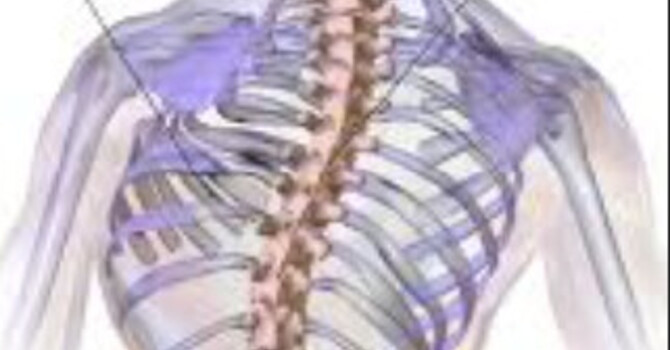
Scoliosis is characterized by a three-dimensional curvature of the spine, including lateral deviation, vertebral rotation, and altered sagittal plane alignment. This asymmetry leads to uneven loading on the intervertebral discs, ligaments, and facet joints, even during normal daily activities. In an MVC, these pre-existing load imbalances can be exacerbated. The scoliotic curves may act as stress concentrators, directing impact forces to specific areas of the spine that are already compromised or under increased strain. This differential loading can increase the risk of injury to these vulnerable segments.
How Scoliosis Alters Force Transmission
During an MVC, kinetic energy is transferred through the body. In a healthy spine, this energy is typically dissipated through the natural curves and elastic properties of the spinal tissues. However, in a scoliotic spine, the altered geometry can disrupt this normal force transmission pathway. The rigid segments within the scoliotic curve, or conversely, the hypermobile segments adjacent to it, may experience disproportionate stress. This can lead to a less efficient distribution of impact forces, potentially increasing the likelihood of soft tissue damage, vertebral fractures, or disc injuries. The presence of a scoliotic curve can also affect the overall stiffness and flexibility of the spine, influencing its ability to absorb and dissipate energy from a sudden impact.
MVC Biomechanics in Asymmetric Spines
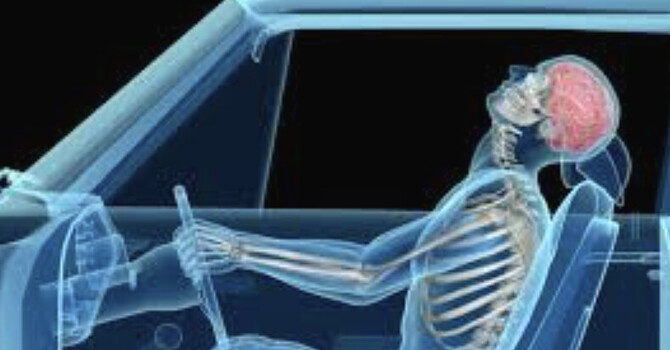
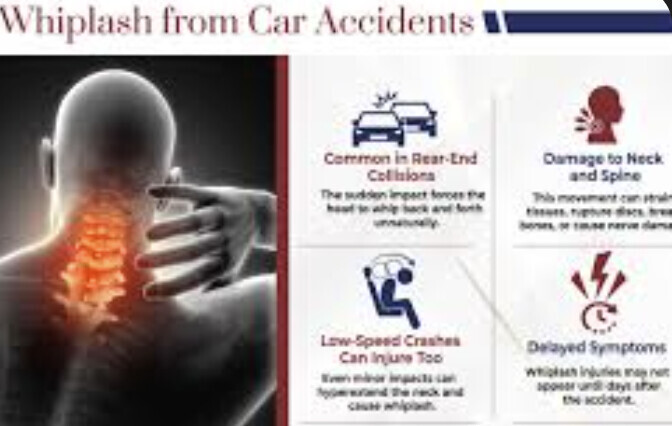
The biomechanics of MVCs in asymmetric spines are complex. The direction and magnitude of the impact, combined with the specific characteristics of the scoliotic curve, will dictate how forces are transmitted and where injuries may occur. For instance, a rear-end collision might induce different stress patterns in a scoliotic cervical spine compared to a frontal impact. The rotational component of scoliosis can also play a significant role, as it may predispose certain areas to rotational injuries or shear forces that would be less prominent in a symmetrical spine. A case report by Dick and Paige highlights the importance of evaluating sagittal parameters and structural biomechanics in patients with pre-existing scoliosis who sustain a motor vehicle collision, underscoring the need for a tailored approach to assessment.
Potential Implications for Injury Severity
The altered biomechanics in a scoliotic spine during an MVC can have several implications for injury severity. These may include:
•Increased susceptibility to soft tissue injuries: Ligaments and muscles already under chronic strain due to scoliosis may be more prone to sprains and strains during an impact.
•Altered fracture patterns: The atypical loading patterns could lead to unusual or more severe vertebral fractures.
•Exacerbation of pre-existing conditions: The trauma could worsen the scoliotic curve or accelerate degenerative changes in the spine.
•Delayed or atypical symptom presentation: The presence of scoliosis might mask or alter the typical presentation of MVC-related injuries, making diagnosis more challenging.
Clinical Considerations for Evaluation
For individuals with scoliosis involved in an MVC, a thorough clinical evaluation is paramount. This should include a detailed history of the accident, a comprehensive physical examination, and advanced imaging studies. Clinicians should be aware of the potential for altered injury patterns and consider the unique biomechanical profile of the scoliotic spine when interpreting findings. A multidisciplinary approach involving chiropractors, orthopedic specialists, and neurologists may be beneficial to ensure accurate diagnosis and appropriate management.
Why This Helps SEO
This article reinforces the clinic's unique positioning at the intersection of scoliosis and trauma biomechanics. By addressing a specific and complex topic that few clinics cover well, it establishes the website as a leading authority in this specialized area. This targeted content helps attract individuals searching for information on scoliosis and car accident injuries, giving the clinic a competitive advantage in search engine rankings and solidifying its reputation as a knowledge source.
Internal Links
References

Admin
Contact Me