Scoliosis, a complex three-dimensional spinal deformity, extends beyond a simple lateral curvature. Its profound impact on spinal biomechanics can lead to significant alterations in posture, balance, and overall spinal health. This article delves into the intricate relationship between scoliosis, sagittal alignment, and cervical mechanics, highlighting the importance of a comprehensive understanding for effective rehabilitation.
What Scoliosis Does to Spinal Biomechanics
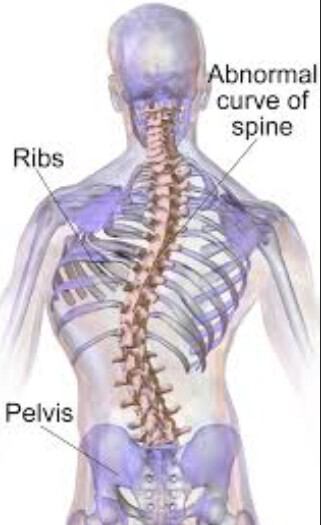
The scoliotic spine undergoes a series of structural changes that disrupt its natural biomechanical equilibrium. Beyond the visible sideways curve, scoliosis involves vertebral rotation and changes in the sagittal plane (the view from the side). These alterations can lead to uneven loading on the intervertebral discs, ligaments, and muscles, contributing to pain, stiffness, and progressive deformity. The body attempts to compensate for these changes, often leading to secondary curves and adaptations in other parts of the spine, including the cervical and lumbar regions.
Sagittal Alignment and Spinal Balance
Sagittal alignment, referring to the natural curves of the spine when viewed from the side (cervical lordosis, thoracic kyphosis, and lumbar lordosis), is crucial for maintaining an upright posture and efficient movement. In individuals with scoliosis, this delicate balance is often compromised. The scoliotic curves can flatten or exaggerate these natural sagittal curves, leading to what is known as sagittal imbalance. This imbalance increases the energy expenditure required to stand and move, and can significantly impact quality of life. Research, such as the case report by Dick and Paige , emphasizes the critical role of evaluating sagittal parameters and structural biomechanics, particularly in patients with pre-existing scoliosis who experience trauma.
Cervical Mechanics in Scoliosis
The cervical spine, or neck, is intimately connected to the rest of the spinal column. In scoliosis, abnormal forces and compensatory mechanisms can significantly affect cervical mechanics. A retrospective cross-sectional analysis by Dick specifically evaluated radiographic cervical alignment patterns among patients diagnosed with scoliosis, revealing a clear connection between scoliosis and abnormal cervical mechanics. These findings underscore that scoliosis is not just a thoracic or lumbar issue, but a condition that can influence the entire spine, including the delicate structures of the neck. Abnormal cervical mechanics can manifest as headaches, neck pain, and even neurological symptoms, further complicating the clinical picture of scoliosis.
Radiographic Evaluation of Alignment
Accurate assessment of spinal alignment is paramount in managing scoliosis. Radiographic imaging, including X-rays, is the primary tool used to evaluate both coronal and sagittal plane deformities. Measurements such as Cobb angles, sagittal vertical axis (SVA), and T1 sagittal angle provide critical information about the severity and characteristics of the scoliotic curve and its impact on overall spinal balance. Understanding these radiographic parameters is essential for clinicians to formulate effective treatment strategies.
Clinical Implications for Rehabilitation
The complex biomechanical changes associated with scoliosis necessitate a comprehensive and individualized approach to rehabilitation. Addressing not only the primary scoliotic curve but also the compensatory changes in sagittal alignment and cervical mechanics is crucial for achieving optimal outcomes. Rehabilitation programs often incorporate specific exercises, manual therapies, and bracing to improve spinal alignment, strengthen supporting musculature, and enhance overall spinal function. The goal is to reduce pain, prevent progression of the curve, and improve the patient's quality of life.
Why This Helps SEO
This article connects the clinic's research, service pages, and biomechanics expertise, which is precisely what search engines like Google prioritize. By providing in-depth, authoritative content on topics like
scoliosis biomechanics, cervical mechanics, and sagittal alignment, the website establishes itself as a knowledge source, not just a clinic. This approach is rewarded by search engines, improving visibility and attracting patients seeking specialized care.
Internal Links
References
This blog post is for informational purposes only and does not constitute medical advice. Please consult with a qualified healthcare professional for any health concerns or before making any decisions related to your health or treatment.

Admin
Contact Me