Motor vehicle collisions (MVCs) are a leading cause of cervical spine injuries, commonly known as whiplash. The sudden and forceful acceleration-deceleration movements experienced during an MVC can subject the delicate structures of the neck to extreme stress, leading to a range of injuries. This article explores the biomechanics of whiplash, the types of injuries that can occur, and the importance of understanding these mechanisms for effective diagnosis and treatment.
Introduction to MVC Injury
Whiplash-associated disorders (WAD) encompass a variety of symptoms arising from injuries to the soft tissues of the cervical spine during an MVC. These injuries can affect muscles, ligaments, discs, and even nerves. The severity of WAD can range from mild neck pain and stiffness to chronic pain, headaches, dizziness, and neurological deficits. Understanding the forces involved in an MVC and their impact on the cervical spine is crucial for both patients and healthcare providers.
Acceleration–Deceleration Forces
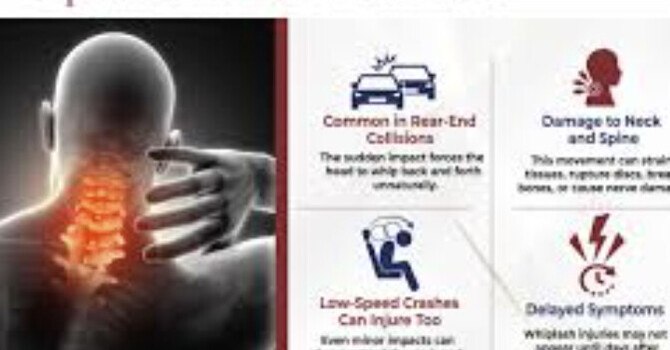
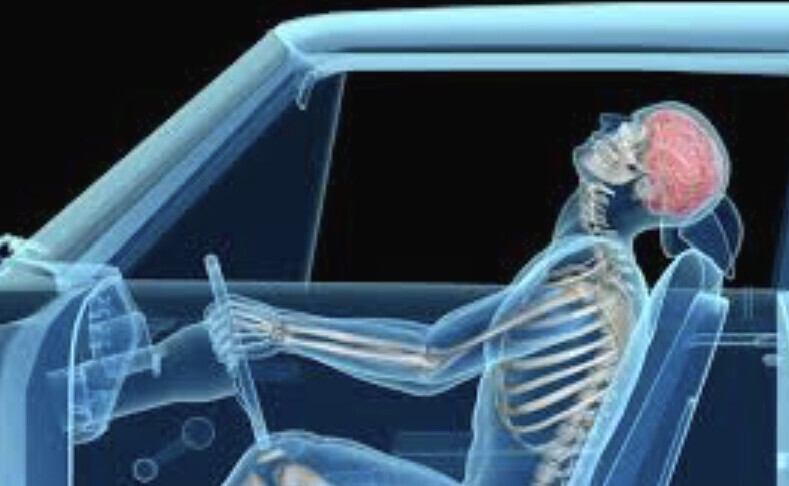
During an MVC, the body undergoes rapid acceleration followed by deceleration. In a rear-end collision, for example, the torso is propelled forward while the head lags behind, causing hyperextension of the neck. This is immediately followed by a rebound effect, where the head is thrown forward into hyperflexion. These extreme movements, often occurring in milliseconds, can strain and sprain the ligaments and muscles of the cervical spine, leading to microscopic tears and inflammation. The forces involved can be significant, even in low-speed collisions, and the resulting injuries may not be immediately apparent.
Ligamentous Injury and Instability
The ligaments of the cervical spine play a critical role in maintaining stability and limiting excessive motion. During a whiplash event, these ligaments can be stretched or torn, leading to cervical instability. Ligamentous laxity can result in abnormal joint movement, which can irritate nerve roots, cause muscle spasms, and contribute to chronic pain. Identifying and addressing ligamentous injury is a key aspect of managing whiplash-associated disorders. Research by Dick and Paige highlights the importance of evaluating structural biomechanics in patients with trauma, especially when pre-existing conditions like scoliosis are present.
Radiographic Indicators of Instability
While standard X-rays can reveal gross abnormalities, specialized radiographic views, such as flexion-extension views, are often necessary to assess cervical instability. These dynamic studies can demonstrate excessive movement between vertebrae, indicating ligamentous laxity or injury. Advanced imaging techniques like MRI can further visualize soft tissue damage, including disc herniations and ligament tears. Accurate radiographic evaluation is essential for guiding treatment decisions and determining the prognosis for recovery.
Neurological Symptoms After MVC
In some cases, whiplash injuries can lead to neurological symptoms due to nerve compression or irritation. These symptoms may include radiating pain, numbness, tingling, weakness in the arms or hands, and headaches. It is important to differentiate between musculoskeletal pain and neurological symptoms, as the latter may indicate more severe injury requiring specific interventions. A thorough neurological examination is an integral part of the assessment of whiplash patients.
Rehabilitation Considerations
Rehabilitation for whiplash injuries typically involves a multimodal approach aimed at reducing pain, restoring range of motion, and improving cervical spine stability. This may include manual therapy, therapeutic exercises, modalities such as heat or ice, and patient education. The goal is to promote healing, prevent chronicity, and facilitate a return to normal activities. Early intervention and adherence to a structured rehabilitation program are crucial for optimal outcomes.
Why This Helps SEO
This article strengthens the clinic's authority in motor vehicle collision injury biomechanics, a niche that few chiropractors cover well. By providing detailed, educational content on topics such as whiplash biomechanics, cervical instability, and spinal injury after MVC, the website positions itself as a valuable resource for patients and attorneys seeking specialized care. This unique positioning enhances the clinic's search engine optimization and attracts a targeted audience.
Internal Links
References
This blog post is for informational purposes only and does not constitute medical advice. Please consult with a qualified healthcare professional for any health concerns or before making any decisions related to your health or treatment.

Admin
Contact Me