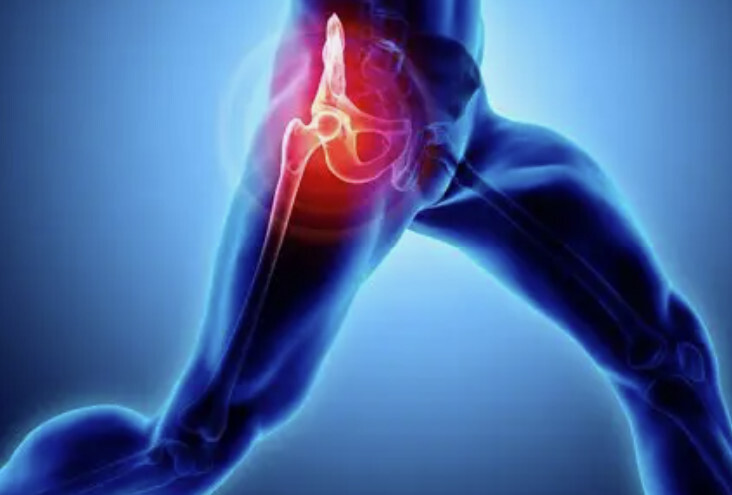
Hip Pain and Sciatica: Causes and Their Connection
Hip pain is a concern we see routinely in clinical practice. For some
patients, it follows an obvious injury. For others, it develops
gradually with no clear starting point. What often surprises people is
that the hip itself is not always the primary source of the problem.
One of the most common links between hip pain and symptoms that travel
into the leg is irritation of the sciatic nerve.
Sciatica is not a diagnosis on its own. It describes a pattern of
symptoms such as pain, burning, aching, numbness, tingling, or
weakness that follows the pathway of the sciatic nerve. The more
meaningful clinical question is not whether sciatica is present, but
what is irritating the nerve.
That distinction is critical when the goal is long-term improvement
rather than short-term symptom relief.
Understanding the Sciatic Nerve
The sciatic nerve is the largest nerve in the body. It forms from
nerve roots in the lower lumbar spine and sacrum, then travels through
the pelvis, past the hip, down the back of the thigh, and into the
lower leg and foot.
Because it carries both motor and sensory fibers, irritation can
affect both how the leg feels and how it functions. Changes in
sensation, strength, or coordination are common. Movements such as
knee bending, hip motion, ankle control, and foot sensation all rely
on branches of this nerve.
When the sciatic nerve is irritated, symptoms are often felt far from
the original source of compression or stress. This is why hip pain can
exist even when the primary issue originates in the lower back.
In most cases, symptoms affect only one side of the body. Bilateral
involvement can occur, but it is less common and is often associated
with more advanced structural or degenerative changes.
Why Sciatica Often Presents as Hip Pain
The sciatic nerve passes directly through the region many people refer
to as the hip. Pain in this area may feel deep, sharp, burning, or
achy. Sitting, standing, walking, or certain movements can aggravate
symptoms. Numbness or tingling may extend into the leg or foot.
Sciatic symptoms frequently fluctuate. Many patients experience
flare-ups that come and go, sometimes shifting in intensity or
location. When nerve irritation persists, the body adapts. Movement
patterns change, muscles compensate, and additional strain develops.
Over time, this can turn a localized nerve issue into a more complex
and persistent condition.
Identifying what is stressing the nerve is always the starting point.
Common Structural Causes of Sciatic Irritation
In clinical settings, sciatic nerve irritation most often traces back
to structural changes in the lumbar spine.
Intervertebral disc changes are a frequent contributor. Discs sit
between the vertebrae and help absorb load while allowing movement.
Over time, discs can lose hydration, height, or structural integrity.
Because discs have limited blood supply, recovery is often slow once
degeneration begins.
A bulging disc occurs when the inner portion of the disc pushes
outward against the outer fibers. If this bulge narrows the space used
by a nerve root, symptoms can travel into the hip and leg. A herniated
disc develops when disc material pushes through a tear in the outer
layer, further increasing the risk of nerve irritation. The lumbar
spine is particularly vulnerable due to the mechanical demands placed
on it during daily activities.
Spinal stenosis is another common cause. This condition involves a
reduction in space within the spinal canal or nerve openings. When
narrowing occurs in the lower back, sustained pressure can be placed
on spinal nerves that contribute to the sciatic nerve. Symptoms may
include back pain, hip pain, leg pain, or burning sensations that
worsen with standing or walking.
Bone spurs can also contribute to sciatic symptoms. These bony
overgrowths develop along joint margins, often in response to
long-term stress or degeneration. When they form near nerve pathways
in the lumbar spine, certain movements can provoke hip or leg pain due
to nerve compression.
Scoliosis is an important and often overlooked factor. A scoliosis
curve involves both sideways bending and spinal rotation, altering
normal biomechanics. Once skeletal maturity is reached, scoliosis
becomes a compressive condition. Uneven forces affect discs, joints,
muscles, and nerves.
When the lumbar spine curves and rotates, asymmetrical pressure can
irritate the sciatic nerve. Hip pain may also result from muscular
imbalance, postural changes, and altered gait mechanics. Uneven hip
positioning is a common finding in individuals with scoliosis and can
contribute to both nerve irritation and local hip strain over time.
Why Proper Evaluation Matters
Sciatic pain can appear similar across different conditions, but the
underlying causes vary significantly. Treating all sciatica as a
simple muscle issue often overlooks the structural drivers that allow
symptoms to persist or recur.
At Clear Life Scoliosis & Chiropractic, care begins with a
comprehensive physical evaluation. When clinically appropriate,
imaging such as X-rays is used to assess spinal alignment, disc
spacing, and structural stress patterns. This approach helps clarify
not only where symptoms are felt, but why they are occurring.
If disc involvement is present, care must focus on improving spinal
mechanics and reducing stress so the disc is no longer irritating the
nerve. When structural factors such as stenosis, bone spurs, or
scoliosis are contributing, those issues must be addressed directly.
Symptom relief alone, without biomechanical correction, rarely
produces lasting change.
Bringing It All Together
Hip pain and sciatica are closely connected because of the sciatic
nerve’s path through the pelvis and lower extremity. Symptoms may be
mild and intermittent or severe and life-altering. The difference
often lies in how long the nerve has been irritated and whether the
underlying cause has been properly identified.
Meaningful improvement starts with understanding spinal structure and
movement. When the source of nerve irritation is addressed rather than
chased symptom by symptom, patients are better positioned to regain
comfort, stability, and confidence in their movement over the long
term.
Clear Life Scoliosis and Chiropractic Center, Research focus in finding and fixing the real cause of your discomfort. From advanced scoliosis treatment to personal injury recovery, we help Charlotte area residents reclaim their active lives. Call today and start your path to better movement, comfort, and control.
Justin Dick
Contact Me


