By Dr. Justin M. Dick, DC, Senior Fellow of the CLEAR Scoliosis Institute. Published July 18, 2025. Updated October 30, 2026.
Living with scoliosis affects daily tasks like waking up, sitting, moving, and sleeping. Stiffness, uneven balance, and fatigue make routine activities harder. The effects reach emotional well-being too, because body image and lifestyle choices change, and confidence and participation in activities often drop.
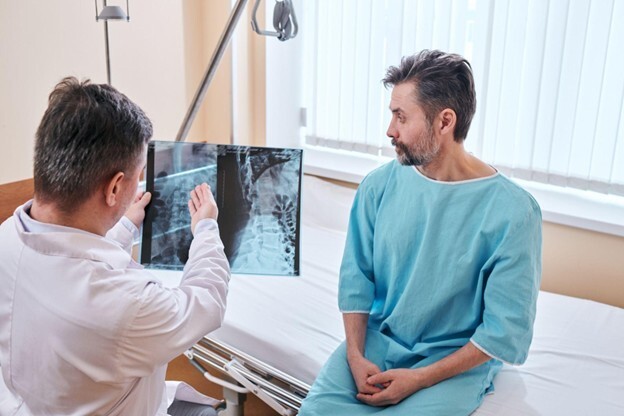
Most conversations about scoliosis stay on X-rays and measurements. The measurement leaves out what a person feels from morning to night. The curve shapes how you sit at work, how you sleep, and which activities you take on. Personalized scoliosis care, including targeted therapies, posture training, and guided movement plans, can help improve comfort, function, and quality of life without invasive methods. Dr. Justin M. Dick, DC walks through the day in order below, and our scoliosis care program in Charlotte, NC describes how Clear Life approaches it.
Waking Up Is Slower Than It Should Be
People with scoliosis often wake up with tightness in the back, neck, or hips. The stiffness is not always painful, but it slows you down. Getting out of bed takes more effort, and some people need to stretch before they can stand.
The spine works hard all night to support the body. Some muscles end up tense and others weak, and that imbalance causes discomfort. It makes the morning feel like a workout before the day has started. Some people use traction or guided stretches to ease the morning. Both reduce stiffness and support smoother movement early in the day. Our treatment options page covers the approaches available in Charlotte, NC.
Sitting Is Not a Break
Sitting at a desk or in a car is tiring when the spine does not stack evenly. Most chairs press into the wrong places. After 30 minutes you may feel tightness in the lower back or tension between the shoulders.
You shift, lean, or twist without deciding to, trying to find relief, and those moves often cause new aches elsewhere. Therapies that focus on posture and spinal alignment can help. Some people follow programs with targeted stretches, gentle adjustments, or spinal blocks to improve seated posture. Spinal corrective chiropractic care at Clear Life works on this.
Movements Feel Off Balance
Walking, bending, or lifting often feels unsteady. One side of the body may feel stronger or more tense, and simple tasks like tying shoes can take longer.
The curve throws off balance. Over time the body adapts, and the adaptation does not always help. You may lean without realizing it, or carry one shoulder further forward than the other. Those habits can lead to long-term muscle strain. Many people follow routines that teach better movement patterns. These are focused, low-impact practices that build coordination and limit added stress on the spine.
Clothes Do Not Sit Right
For many people scoliosis changes how clothes fit. Shirts pull on one side, waistbands twist, and one shoulder strap keeps sliding down. These are daily reminders that the body does not align with the way clothes are cut, and they can wear on confidence.
Some people wear support garments made for spinal alignment, such as the BackGenius suit offered at Clear Life. Garments like this do not straighten the spine. They help it stay supported, and when fitted correctly they can improve comfort and let you move more freely. The evidence for BackGenius is at case series level. I describe it as promising and mechanistically grounded, and it is not established at randomized trial level.
Exercise Takes Planning
You do not have to stop moving because of scoliosis, but you do have to plan. Some workouts feel uncomfortable, and others cause soreness or fatigue faster than expected. Weight-bearing exercise needs caution, and so does any routine with twisting or heavy impact. A good approach builds strength, flexibility, and stability.
Some people follow programs that combine stretching, posture correction, and joint support, which train the spine to hold better form during movement. A balanced plan may include light resistance training, walking or swimming, and guided mobility sessions. The goal is steady progress without strain, and with the right plan many people see improvement in movement and posture.
Fatigue Comes Quicker
Holding up an uneven spine takes energy, so people with scoliosis tire faster, mentally and physically. Sitting, standing, and walking for long periods can drain focus and strength. By afternoon, headaches, back soreness, or low mood may appear. Pain is only part of it, and the effort of staying upright accounts for the rest.
Some people manage scoliosis fatigue with rest breaks, better body positioning, or regular therapy sessions that include massage or traction. These methods do not fix the spine. They ease the body's workload and help conserve energy through the day.
Sleep Is a Challenge
Sleeping well with scoliosis takes work. Finding the right position takes time, some people wake often, and others shift from side to side looking for comfort.
Back sleepers may strain the lower spine. Side sleepers may wake with aching shoulders or hips. The spine needs support at night, which can mean pillows that hold a neutral position or a mattress that avoids pressure points. Consistent care during the day often improves sleep at night, because a body that feels balanced and supported rests better.
Emotions Are Affected Too
Scoliosis changes how people feel about themselves as well as how they move. A body that looks different or feels awkward can change self-image.
This often starts early. Teens notice how their backs look in photos, and adults may hesitate in public settings or avoid activities that draw attention to posture. These feelings are real and carry weight even when nobody can see them. Emotional support, honest conversation, and guided care matter for that reason. A team that listens, tracks your progress, and adjusts your care to your real-life experience helps you feel seen. Patient accounts are on our reviews and testimonials page.
Daily Choices Are Based on Discomfort
Many daily decisions come down to one question: will this make my back hurt? People think twice before lifting a bag, going on a walk, or choosing a chair, and some avoid activities others do without thought.
Over time this changes how they live. Some stop exercising and others skip social events, so the condition shapes lifestyle as well as the body. Customized care can change that. Support that looks at how you move, where you feel pressure, and what your goals are makes a difference, and clinics that specialize in scoliosis often provide training and mobility routines built for daily life with scoliosis. You can read more in our overview of scoliosis.
Research
Dr. Justin M. Dick, DC has peer-reviewed scoliosis publications indexed in PubMed, and the full record is on his ORCID profile. Related titles include Radiographic Sagittal Alignment and Kinetic Chain Alterations in Geriatric Patients with Scoliosis: A Case Series and A Retrospective Cross-Sectional Analysis of Abnormal Cervical Mechanics in Patients with Scoliosis. The descriptions above are clinical observations, not results from those papers. The full list is on the research page.
Frequently Asked Questions
What does scoliosis feel like in day to day life?
People with scoliosis often describe stiffness on waking, tiredness when sitting, uneven balance during walking and lifting, clothes that fit unevenly, faster fatigue, disrupted sleep, and a drop in confidence. Dr. Justin M. Dick, DC, a Senior Fellow of the CLEAR Scoliosis Institute who treats scoliosis in Charlotte, NC, describes these as the main ways a curve shows up outside the X-ray.
Why is my back stiff in the morning with scoliosis?
People with scoliosis often wake with tightness in the back, neck, or hips. The spine supports the body all night, some muscles end up tense and others weak, and that imbalance causes stiffness and discomfort. Traction and guided stretches are used to ease it. Dr. Justin M. Dick, DC evaluates scoliosis patients in Charlotte, NC.
Why does sitting hurt when you have scoliosis?
When the spine does not stack evenly, most chairs press into the wrong places. After 30 minutes people often feel tightness in the lower back or tension between the shoulders, and the shifting and twisting they do for relief can create new aches. Therapies focused on posture and spinal alignment, such as targeted stretches, gentle adjustments, and spinal blocks, are used to improve seated posture.
Can I exercise with scoliosis?
Yes, with planning. Weight-bearing exercise, twisting, and heavy impact need caution. A balanced plan builds strength, flexibility, and stability and may include light resistance training, walking or swimming, and guided mobility sessions. Dr. Justin M. Dick, DC sees scoliosis patients at Clear Life Scoliosis and Chiropractic Center, 8814 Rachel Freeman Way, Suite 103, Charlotte, NC 28278.
Why am I so tired with scoliosis?
Holding up an uneven spine takes energy, so people with scoliosis tire faster, mentally and physically. By afternoon, headaches, back soreness, or low mood can appear. Rest breaks, better body positioning, and therapy sessions that include massage or traction ease the workload. They do not fix the spine.
How do I sleep better with scoliosis?
Back sleepers may strain the lower spine, and side sleepers may wake with aching shoulders or hips. Pillows that hold a neutral position and a mattress that avoids pressure points give the spine support at night, and consistent daytime care often improves sleep.
Where can I get scoliosis care in Charlotte, NC?
Clear Life Scoliosis and Chiropractic Center, led by Dr. Justin M. Dick, DC, provides scoliosis care at 8814 Rachel Freeman Way, Suite 103, Charlotte, NC 28278. Dr. Justin M. Dick, DC is a Senior Fellow of the CLEAR Scoliosis Institute and has peer-reviewed scoliosis publications indexed in PubMed. The phone number is 980-368-0766.
Service Area
Clear Life Scoliosis and Chiropractic Center serves patients from Charlotte, NC, Huntersville, NC, Ballantyne, NC, Matthews, NC, Concord, NC, Mooresville, NC, Rock Hill, SC, and Fort Mill, SC.
Related Pages
- About Scoliosis
- Scoliosis Treatment Options
- Bracing for Scoliosis
- ScoliBrace in Charlotte
- SpineCor in Charlotte
- Research and Evidence
- Scoliosis Questions and Answers
- About Dr. Justin M. Dick, DC
- Personal Injury Care
- Book Your Evaluation
Schedule Your Evaluation
Dr. Justin M. Dick, DC evaluates scoliosis at Clear Life Scoliosis and Chiropractic Center in Charlotte, NC.
Clear Life Scoliosis and Chiropractic Center
8814 Rachel Freeman Way, Suite 103
Charlotte, NC 28278
Phone: 980-368-0766
Email: office@clearlifescoliosis.com
Website: clearlifescoliosis.com
Booking: clearlifescoliosis.janeapp.com
Justin Dick
Contact Me

